
What the
Assessment Told Us
MALDIVES FIELD ASSESSMENT | 2026
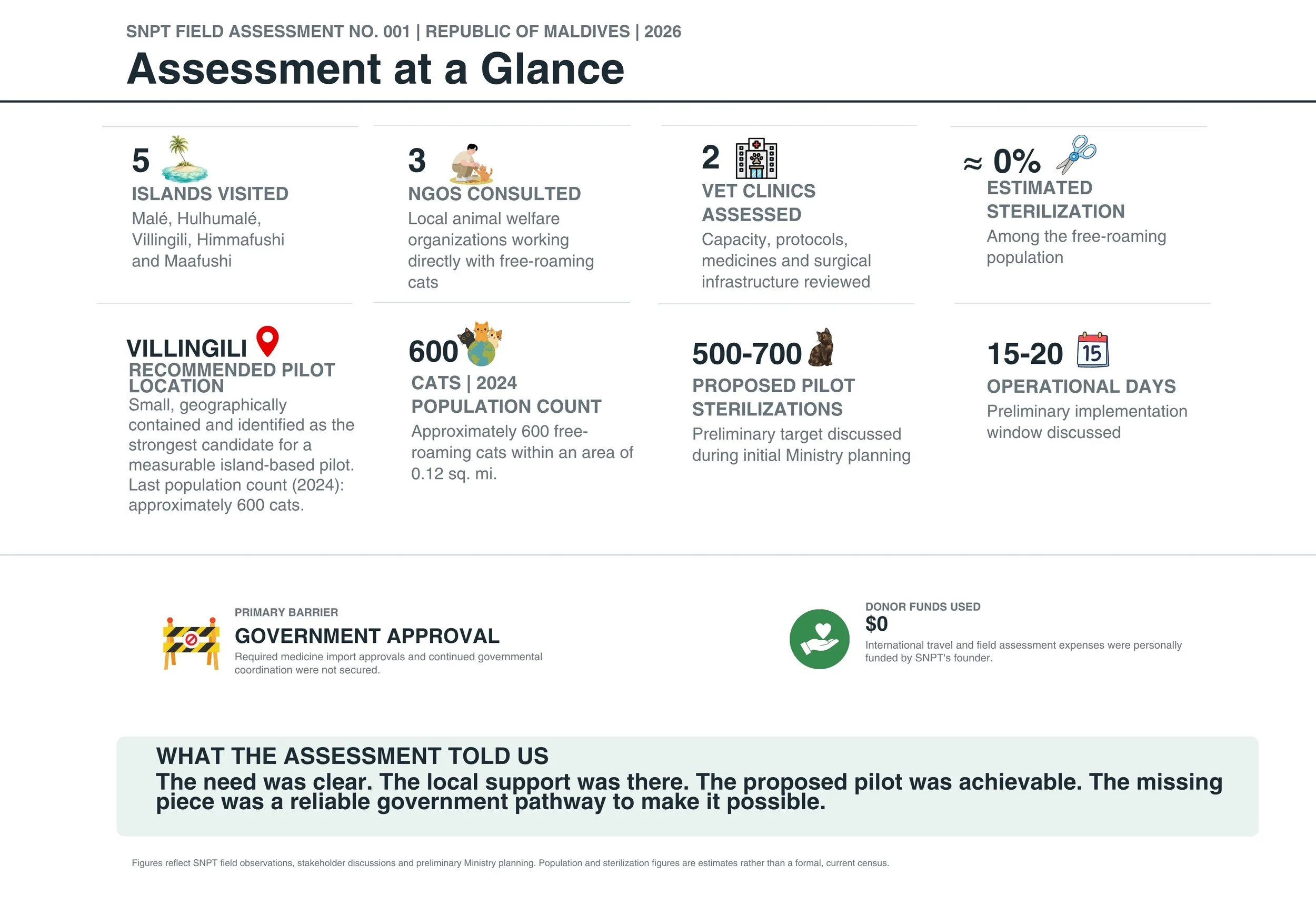
Seven months of research. Five islands visited.
One question: Could a sustainable high-volume
spay/neuter program work in the Maldives?
WHY THE MALDIVES?
In late 2025, the Maldives caught our attention at a pivotal moment. The country had recently opened Olhu Hiyaa, a government-supported cat shelter in Hulhumalé, and had begun moving free-roaming cats off the streets of Greater Malé and into the facility. Its creation reflected growing recognition of the country’s expanding free-roaming cat population, and a desire to find a humane solution.
But sheltering alone cannot stop an unmanaged population from continuing to grow. With sterilization among free-roaming cats appearing to be extremely limited, we saw an opportunity to explore a solution that could address the problem further upstream: preventing new litters through high-volume spay/neuter.
The Maldives’ unique island geography made that possibility especially compelling. Individual cat populations are naturally separated by water, creating an unusual opportunity to sterilize a defined population, measure the results, and potentially build a model that could be replicated island by island.
So we went to find out if it could work.
Five islands. Five perspectives
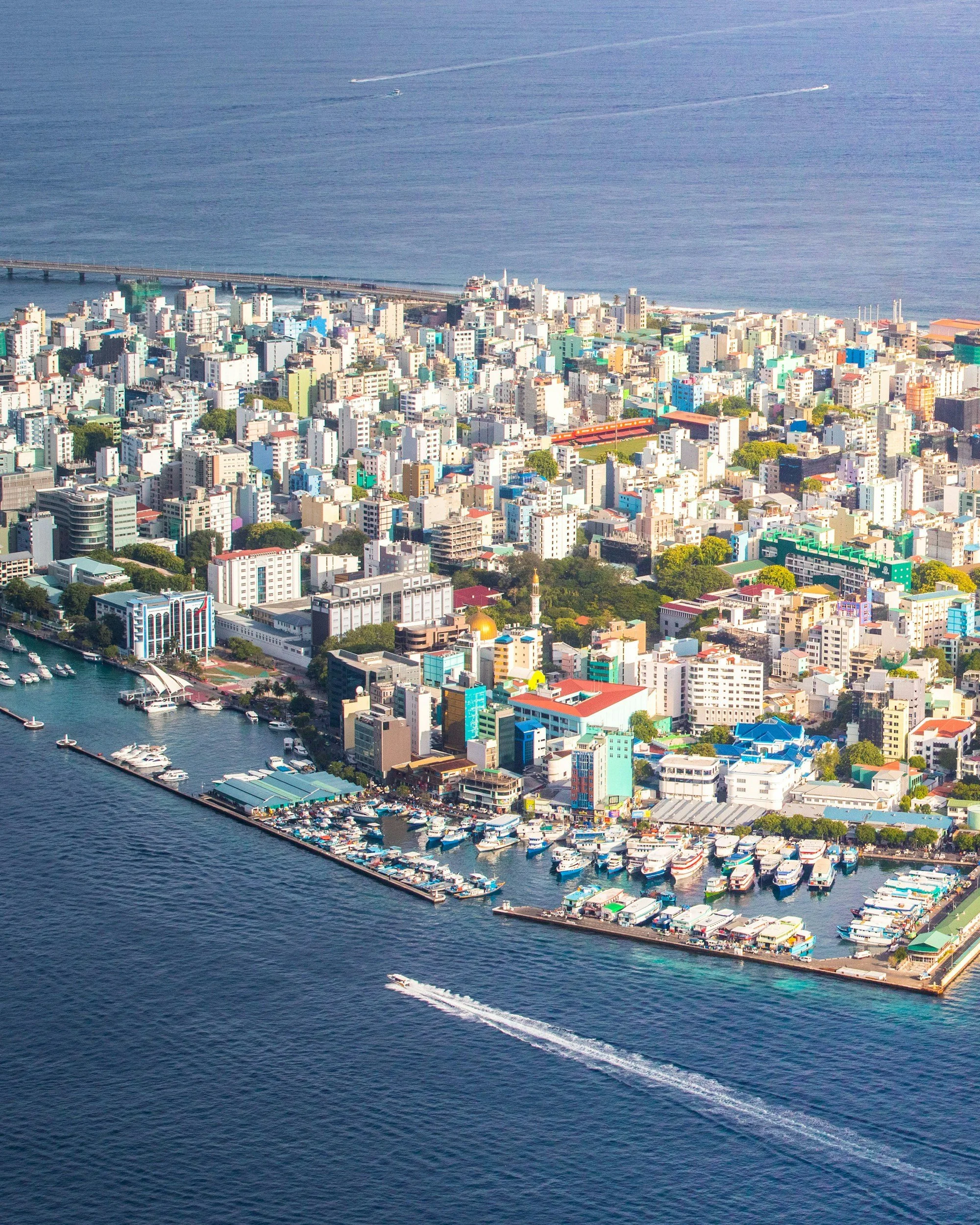
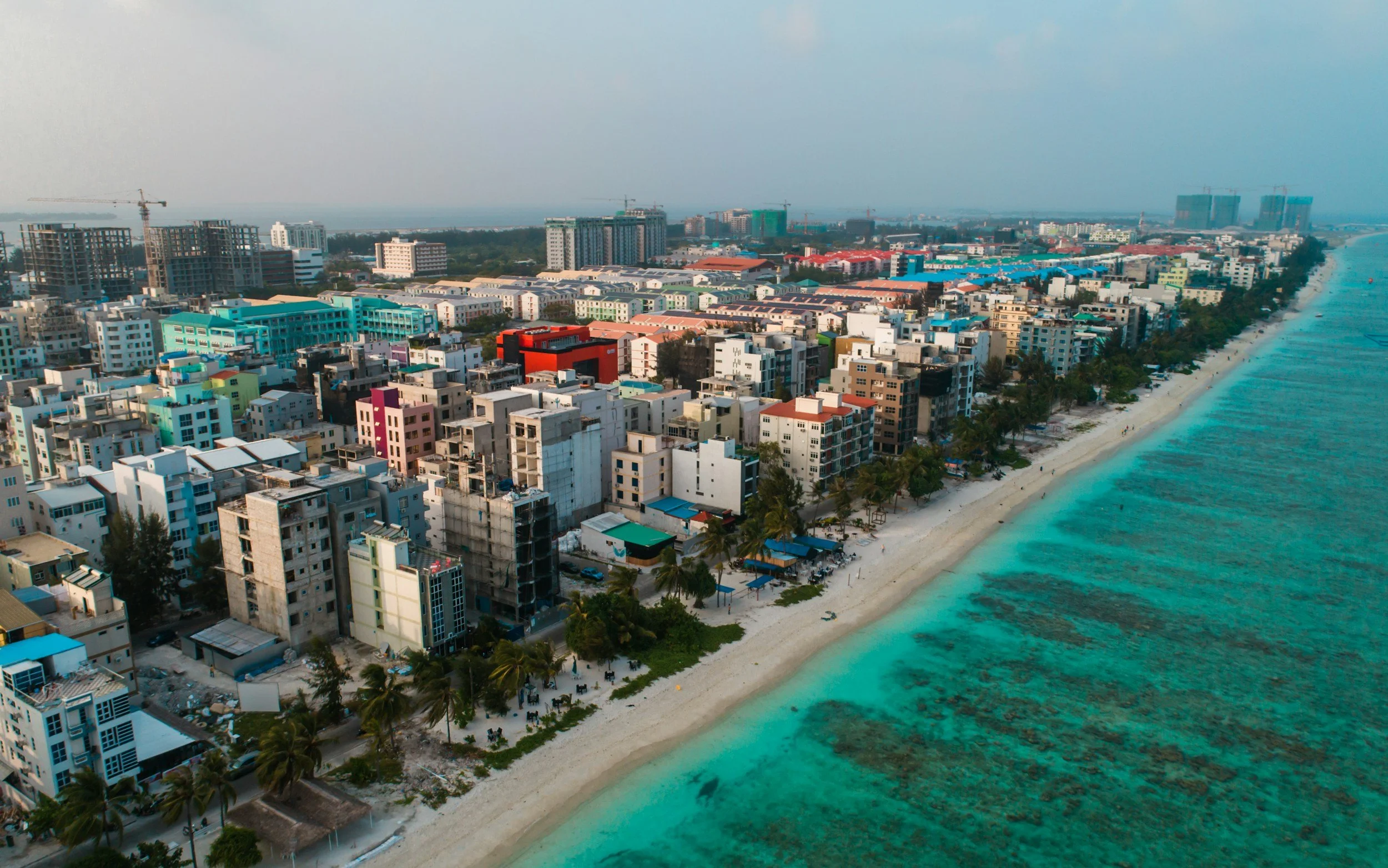
Malé
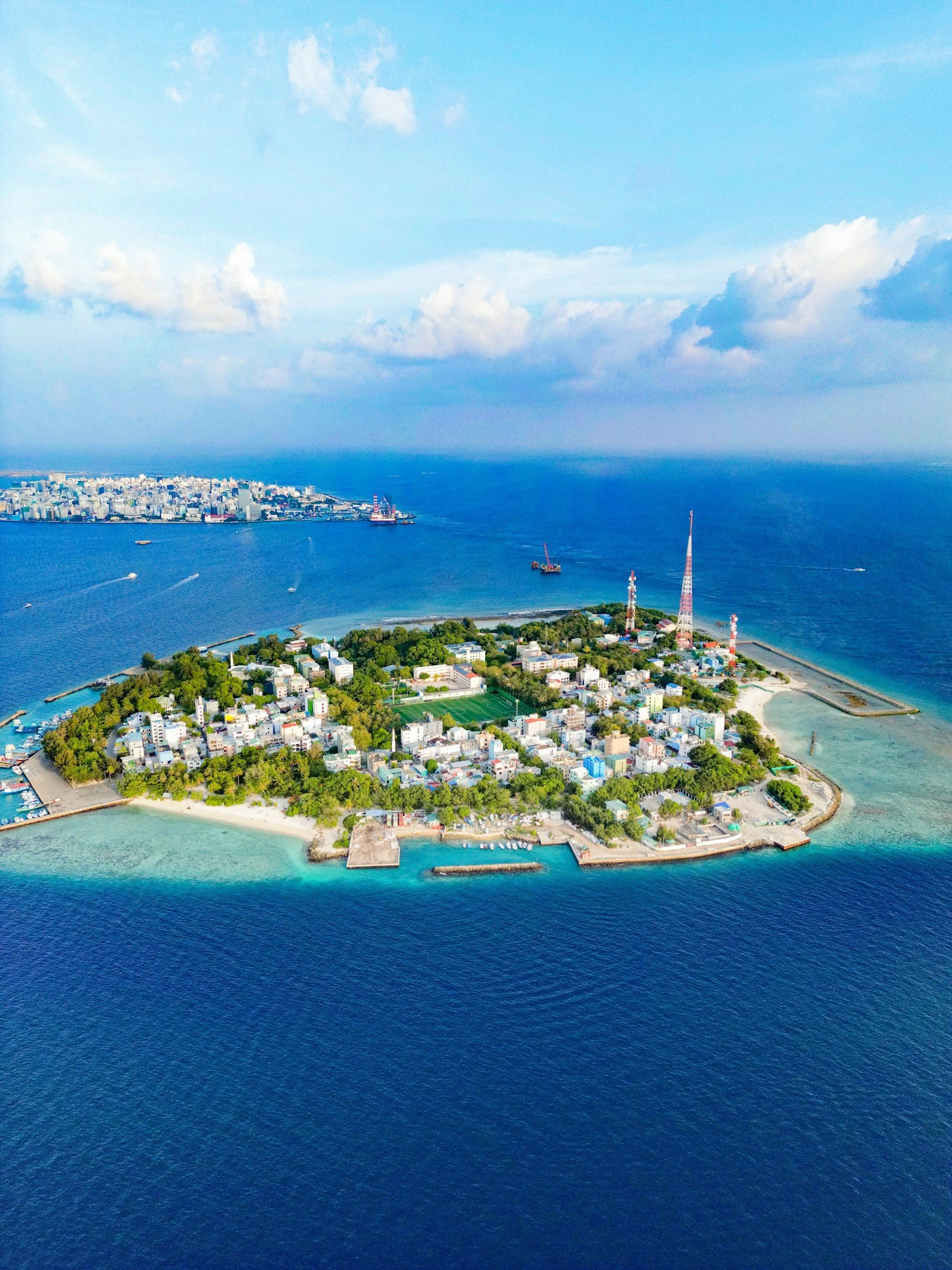
Hulhumalé

Villingili
Himmafushi

Maafushi
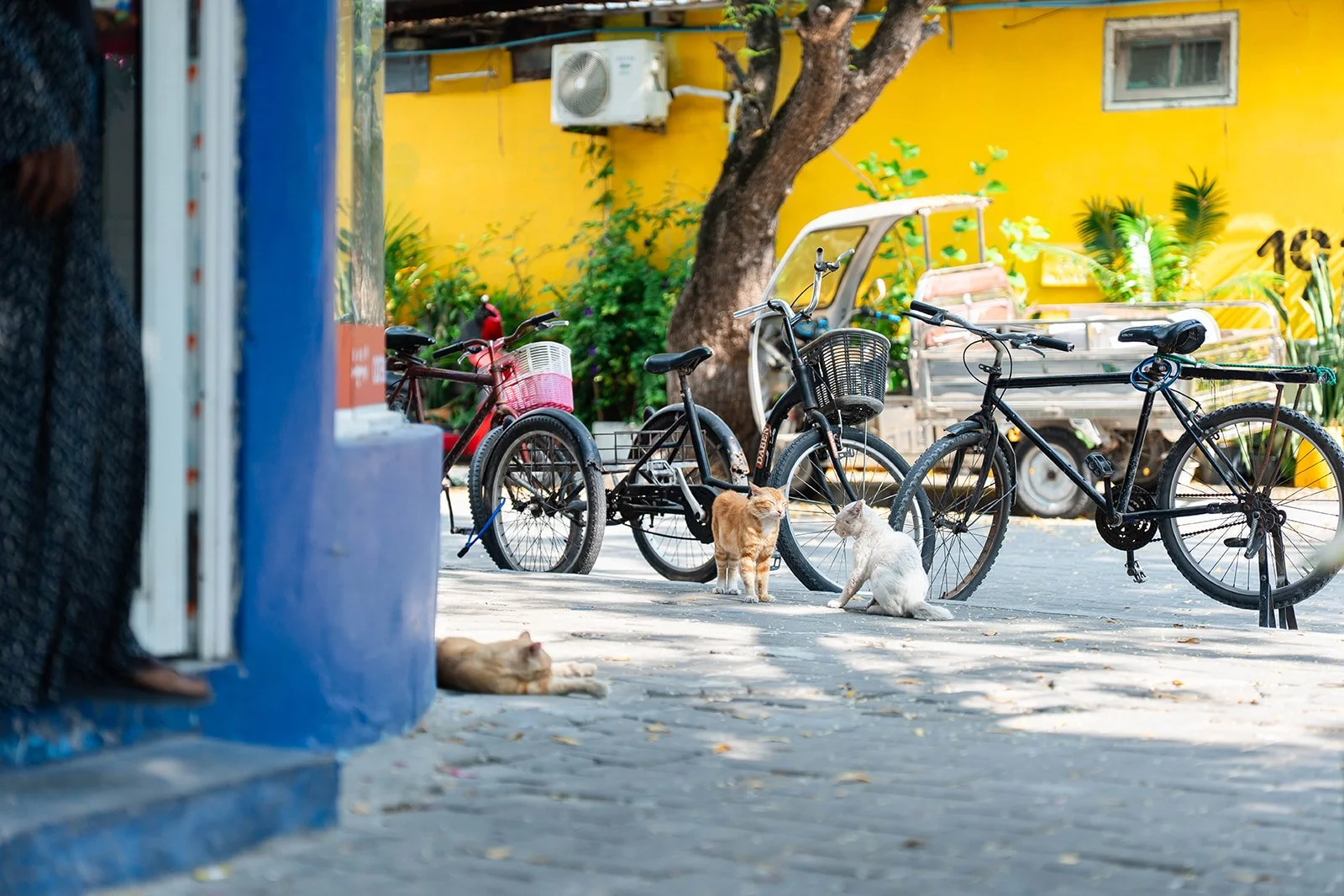
Across five islands, we documented how cat populations, available veterinary care, transportation, community conditions, and operational realities change from one island to the next.
WHAT WE FOUND
On the Ground
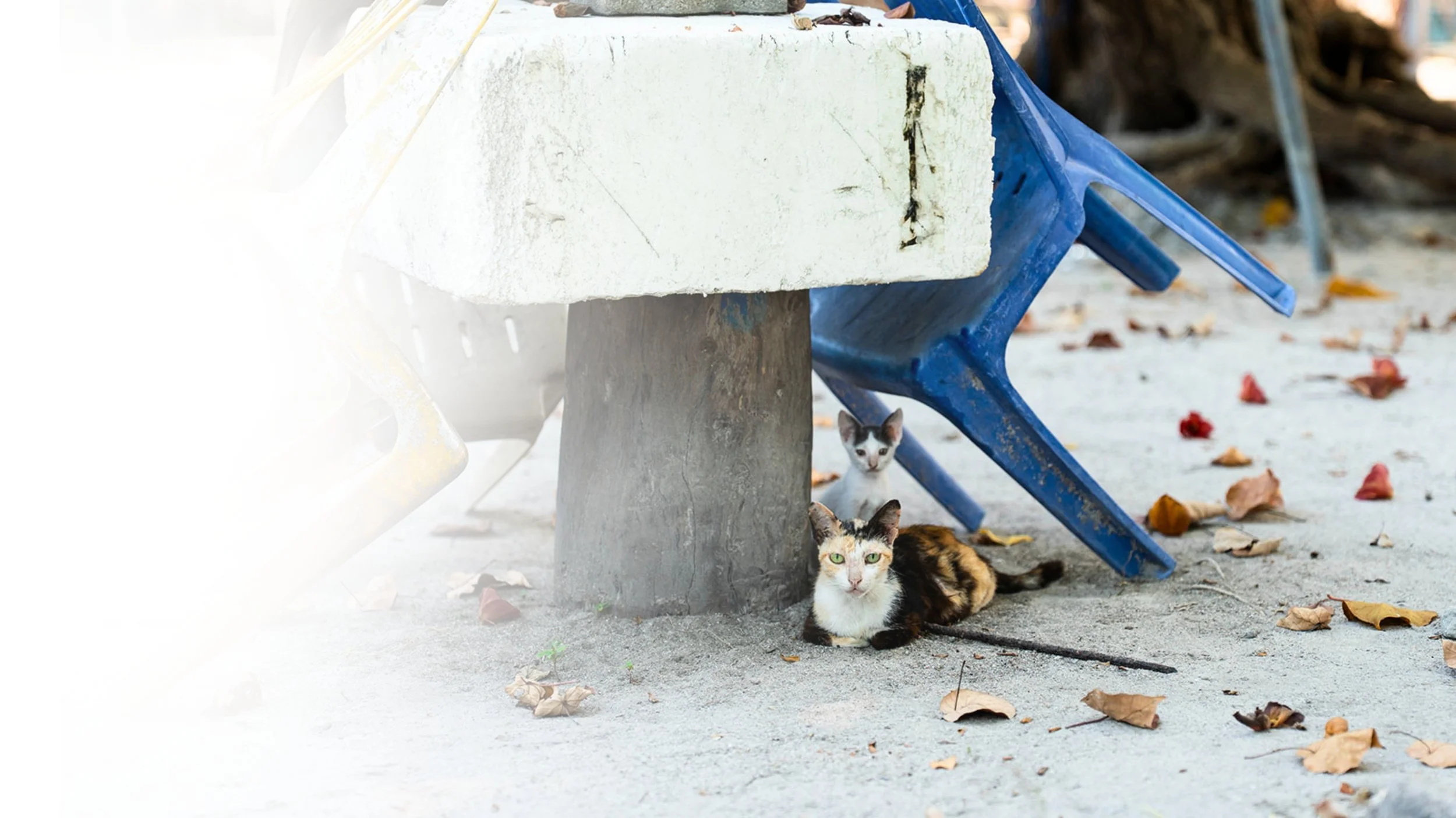
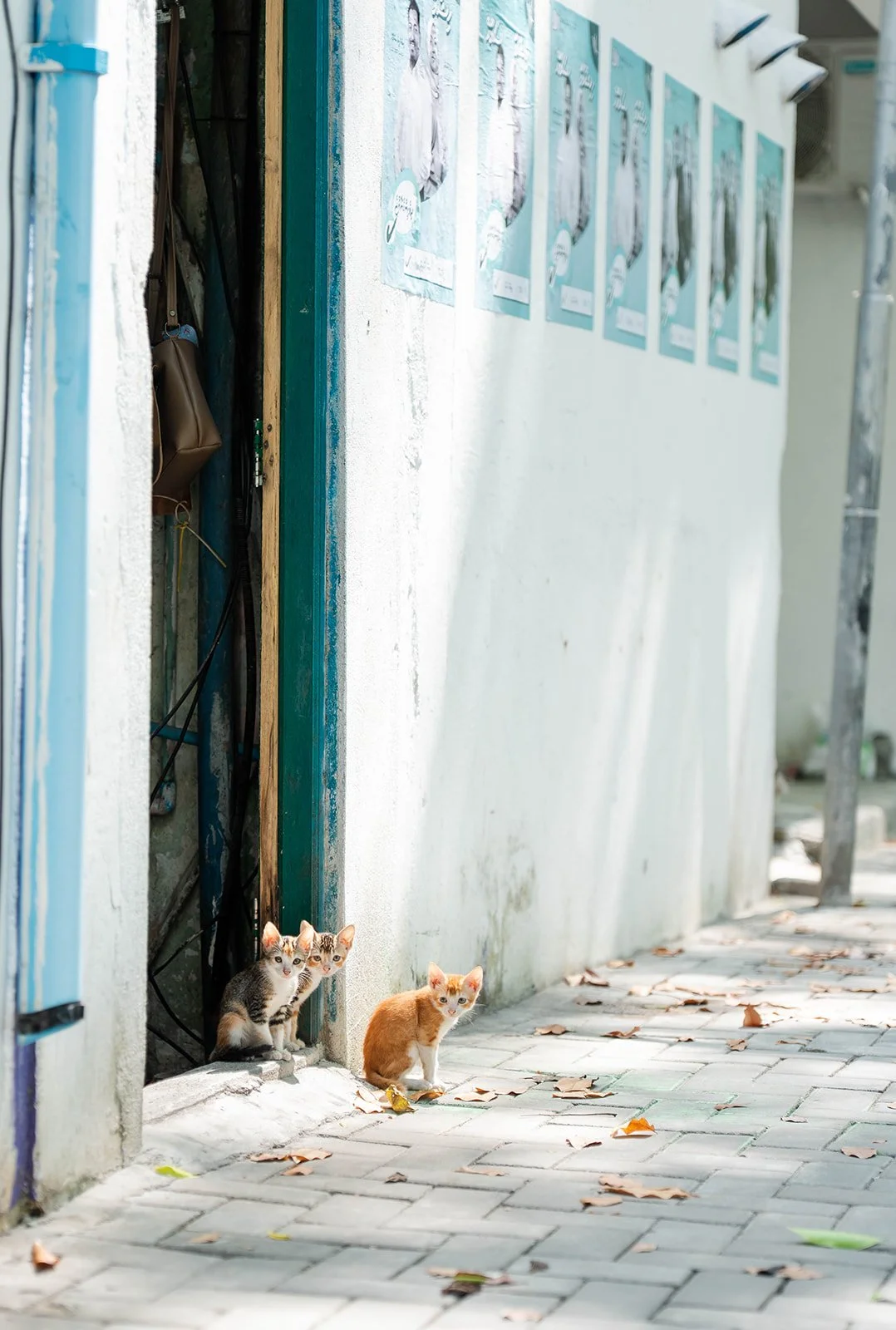
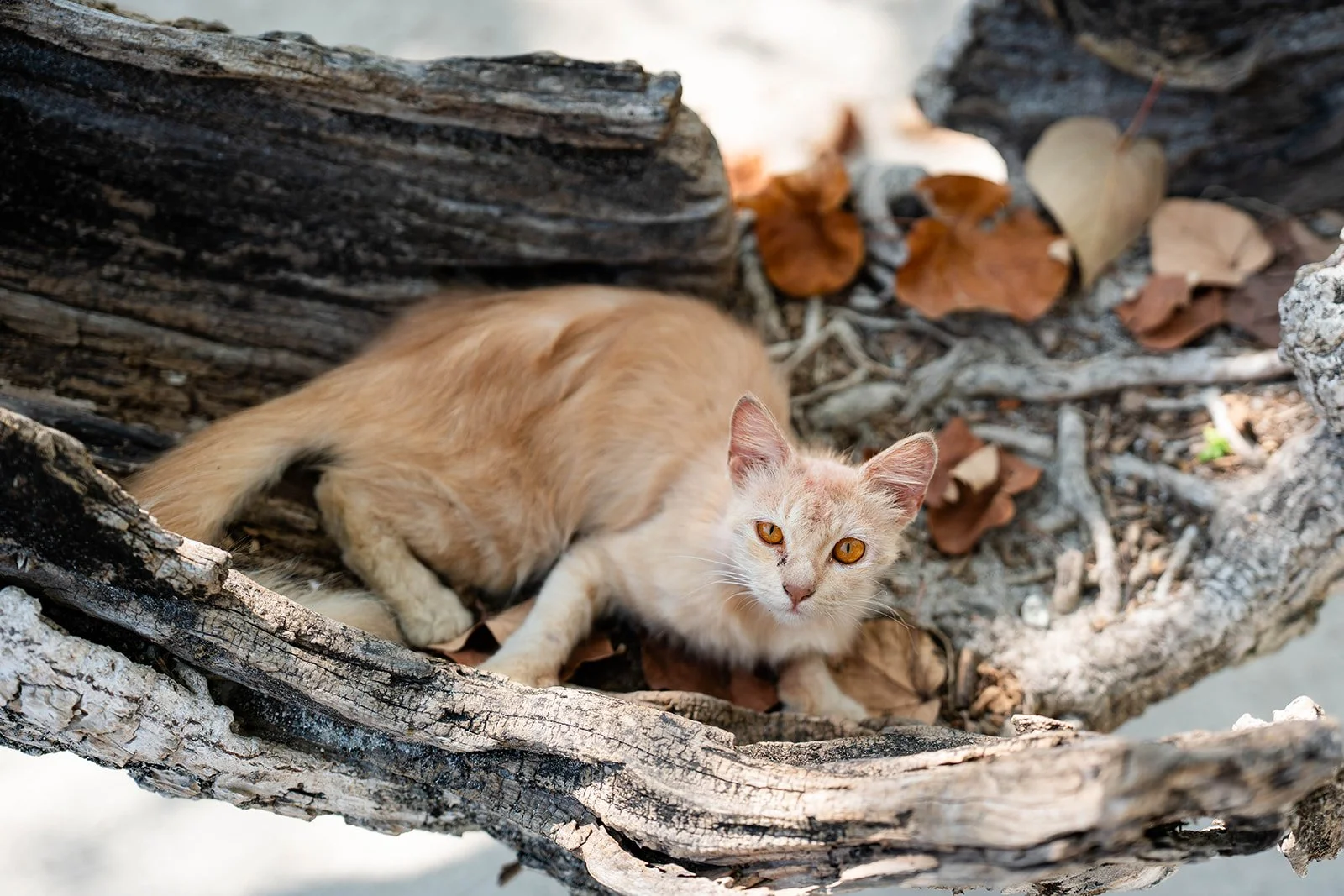
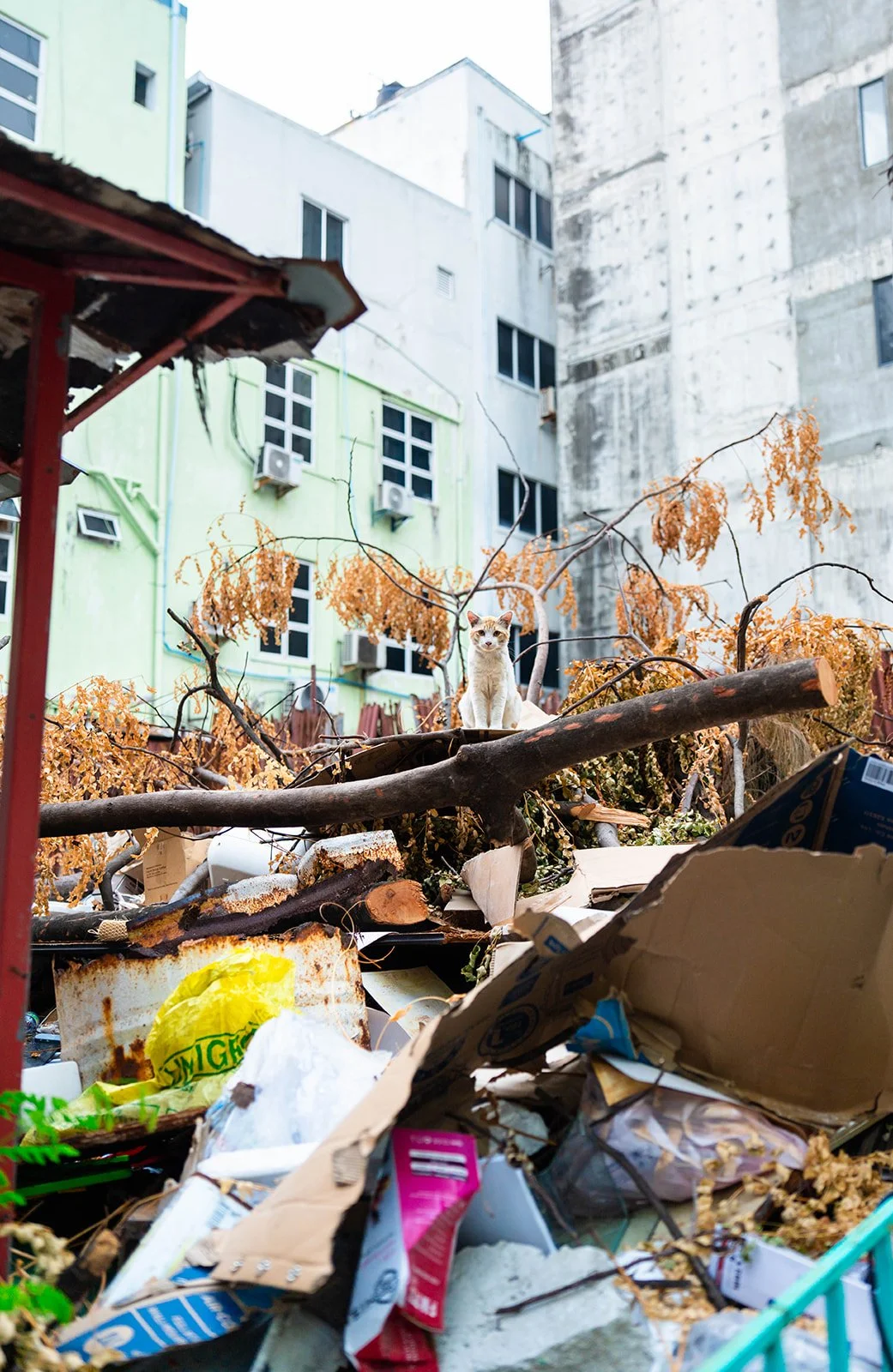
The need for intervention was impossible to ignore. Across every community visited, SNPT observed large populations of unsterilized free-roaming cats. Sterilization among the free-roaming population appeared to be near zero, allowing reproduction to continue largely unchecked.
Animal health and welfare concerns were also widespread. Cats were observed with visible skin disease, parasites, poor body condition, and other health concerns, with the severity varying significantly between islands and communities.
Our Proposed Pilot: A Plan for Change
VILLINGILI, MALDIVES
Of the islands assessed, Villingili emerged as the strongest candidate for a pilot. Its small, geographically contained population offered the opportunity to achieve meaningful sterilization coverage, measure results over time, and evaluate whether the approach could eventually be replicated on other islands.
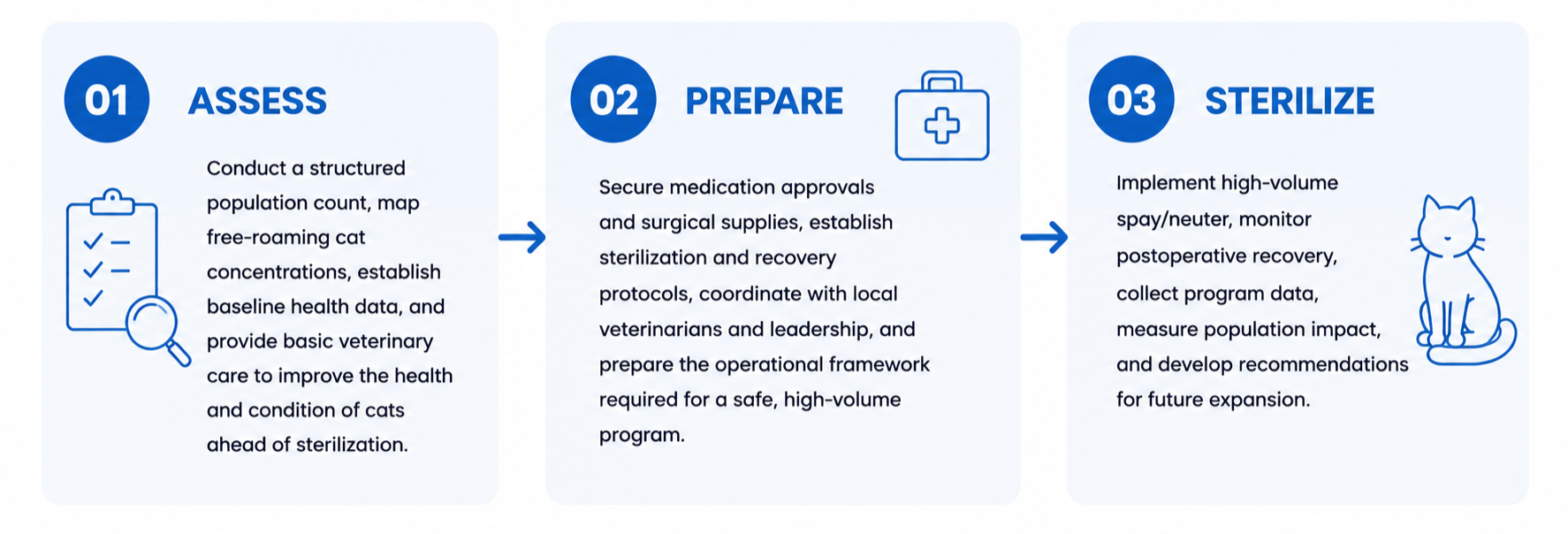
Rather than begin with surgery alone, SNPT proposed a three-phase approach designed to understand the population first, build the necessary infrastructure, and then implement high-volume sterilization responsibly.
THE PROPOSED PILOT: THREE PHASES
WHAT STOOD
IN THE WAY
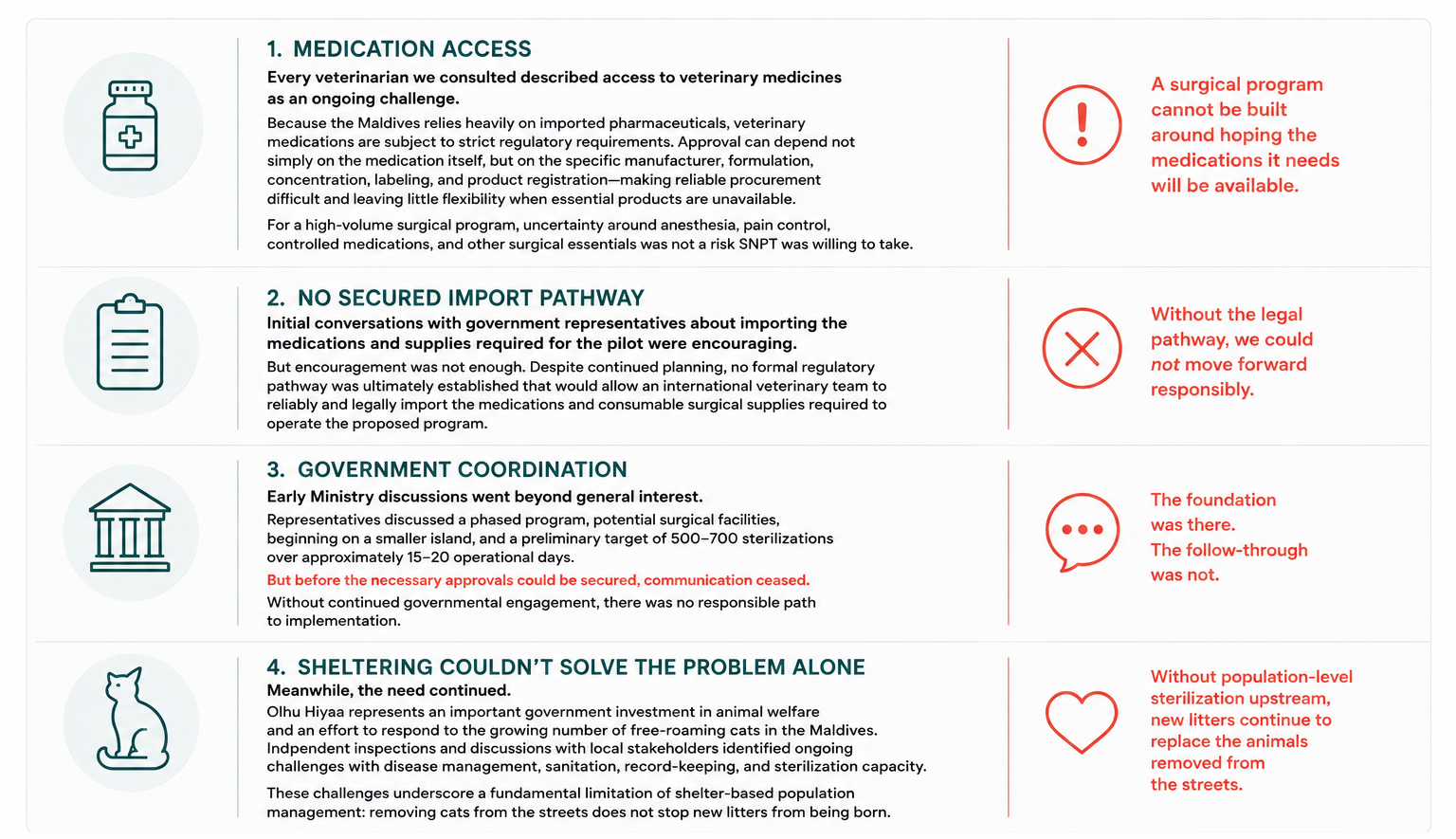
SNPT was prepared to fully fund the proposed Villingili pilot, and local veterinarians and animal welfare organizations were ready to collaborate. The need, resources, and local support were there. What remained unresolved were the conditions only government coordination could provide: legal access to essential veterinary medicines, regulatory approval for their importation, and the continued engagement necessary to move the pilot from planning to implementation.
The need was clear. The plan was there.
But critical requirements remained outside SNPT’s control.
IF WE RETURNED TOMORROW
What would need to be in place before SNPT could responsibly launch a pilot?
The assessment identified a clear set of conditions required for a safe, sustainable high-volume sterilization program:
✓ Government authorization for veterinary medication importation
✓ Defined regulatory pathway for an international veterinary team
✓ Reliable veterinary medicine procurement plan
✓ Approved hazardous biological waste disposal system
✓ Dedicated post-operative recovery space
✓ Continued coordination with local veterinary and animal welfare partners
✓ Formal Memorandum of Understanding with the Government of Maldives
The question is no longer what needs to be done.
It’s whether the conditions will be created to do it.